Deposits, and the no-show
Charging a passenger before the trip solved one reliability problem and immediately created another.
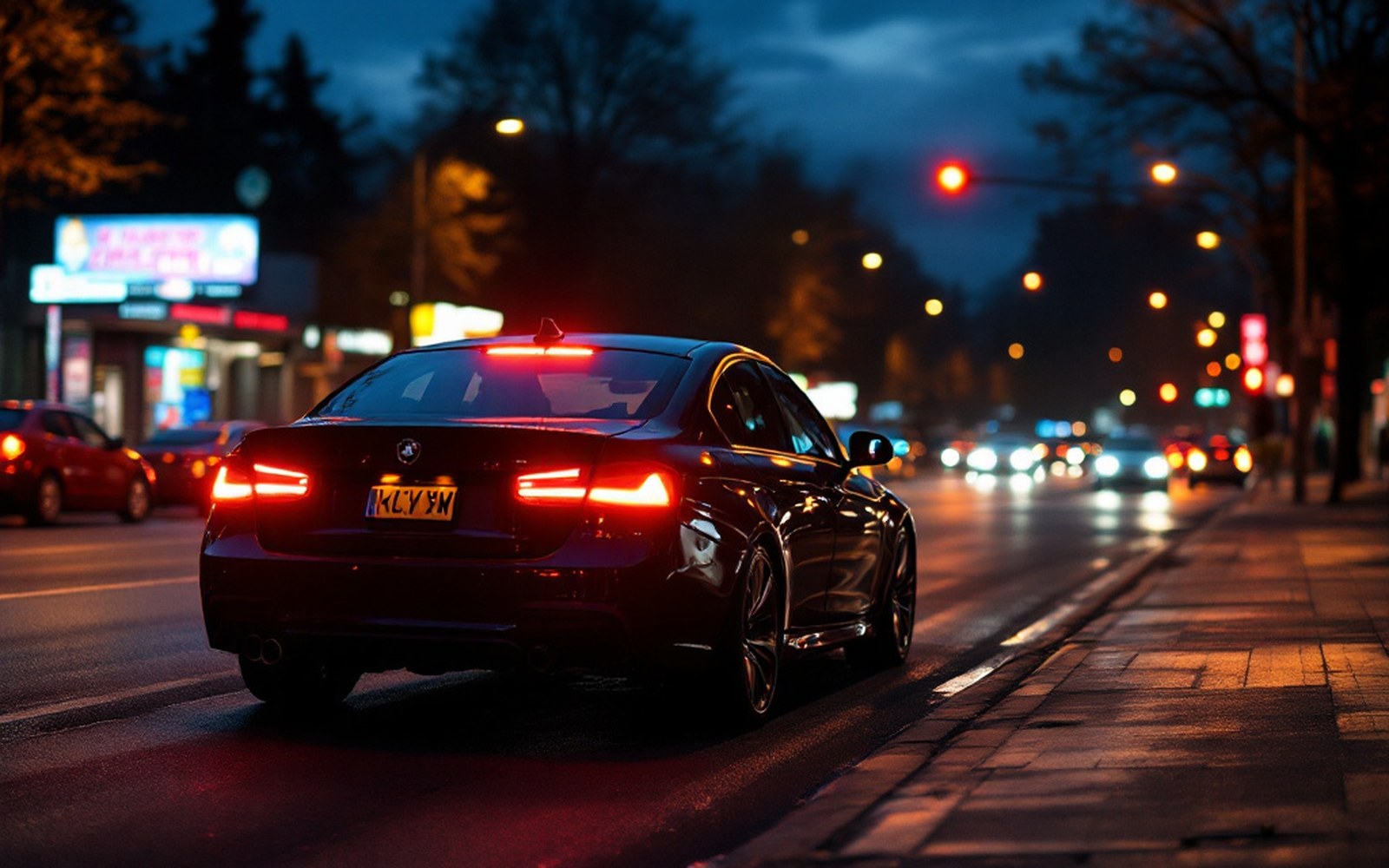
The no-show is a scheduling failure first. It becomes a refund question only afterwards.
Photograph from the tripda.com picture kitThe mechanics of commitment
A carpooling platform without any payment obligation is a calendar of intentions. Drivers list seats they may or may not show up to fill; passengers book journeys they may or may not take. The no-show rate on unconfirmed bookings was high enough to corrode liquidity on both sides — a driver who gets stood up stops listing; a passenger who waits roadside stops booking. The deposit, or upfront charge, was the mechanism platforms used to harden a soft commitment into something with a cost attached.
The arithmetic was straightforward: charge the passenger at booking, hold the funds, release them to the driver after the trip completes. A cancellation inside a short window — typically 24 hours before departure — forfeited some or all of the deposit. Outside that window, a full refund kept the passenger from bearing the risk of planning far ahead. BlaBlaCar, the French platform that built the largest long-distance rideshare network in Europe, moved to online payment around 2013 precisely to reduce no-shows and give drivers a reliable income signal before they left home.
The refund problem it created was structural. If the driver cancels — not the passenger — the platform must refund promptly and also manage the stranded passenger's trust in the system. If the driver cancels repeatedly, the reputation system needs to reflect that, but most platforms weighted ratings heavily toward journey completion, which means a cancelled trip often left no reviewable record at all.
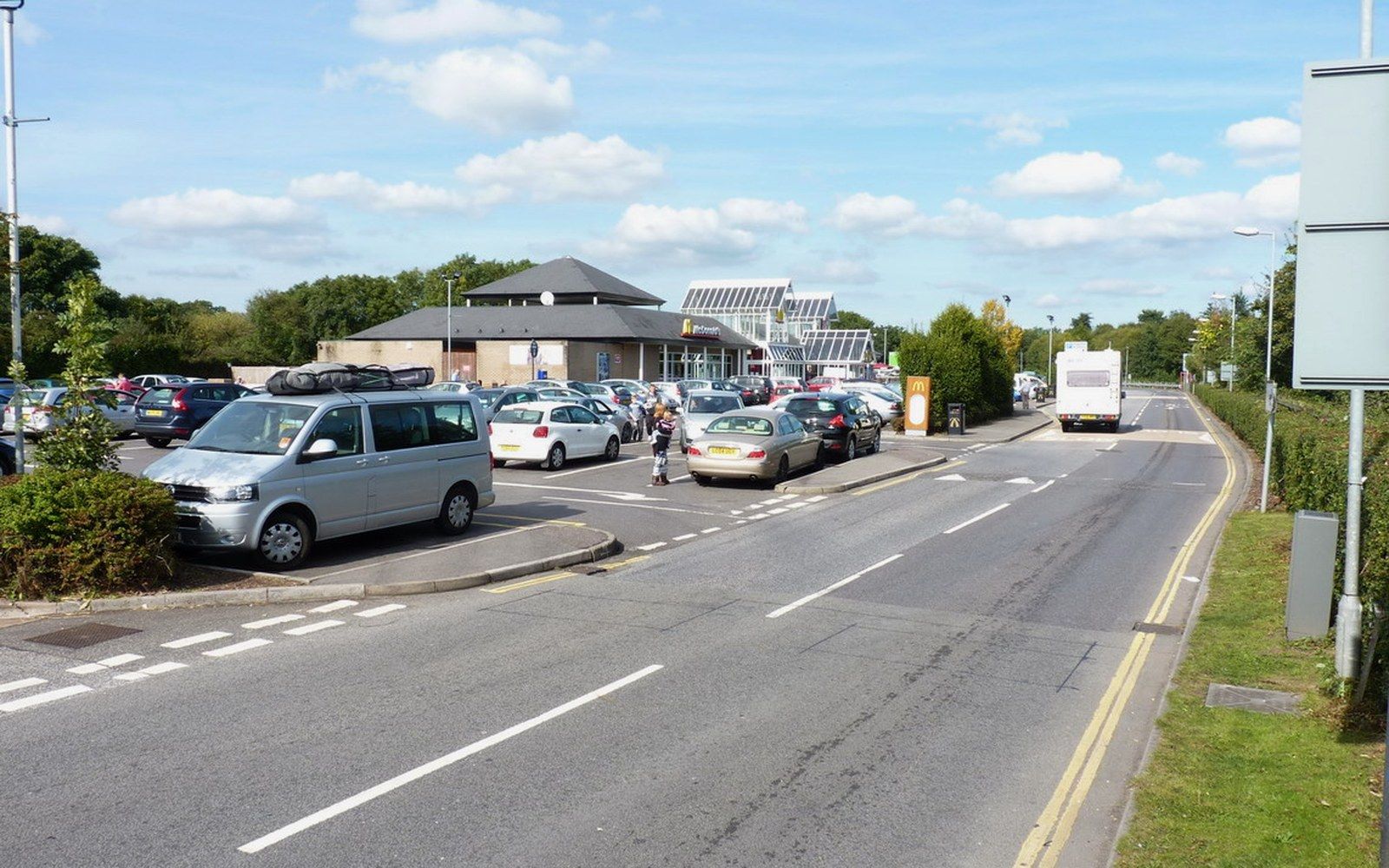
The category owns no infrastructure. It borrows this: a car park off a trunk road where two strangers agree to meet.
Photograph: Cullompton motorway service area · geograph.org.uk 3218604 · Wikimedia CommonsThere was also a timing asymmetry. Deposits de-risked the driver's seat. They did not de-risk the passenger's morning: a confirmed booking with payment held is still worthless if the car does not arrive. The deposit solved the supply-side commitment problem — drivers now had skin in the game in the form of reputation damage if they cancelled — but passenger-side reliability required a different mechanism entirely, and most platforms never fully built it.
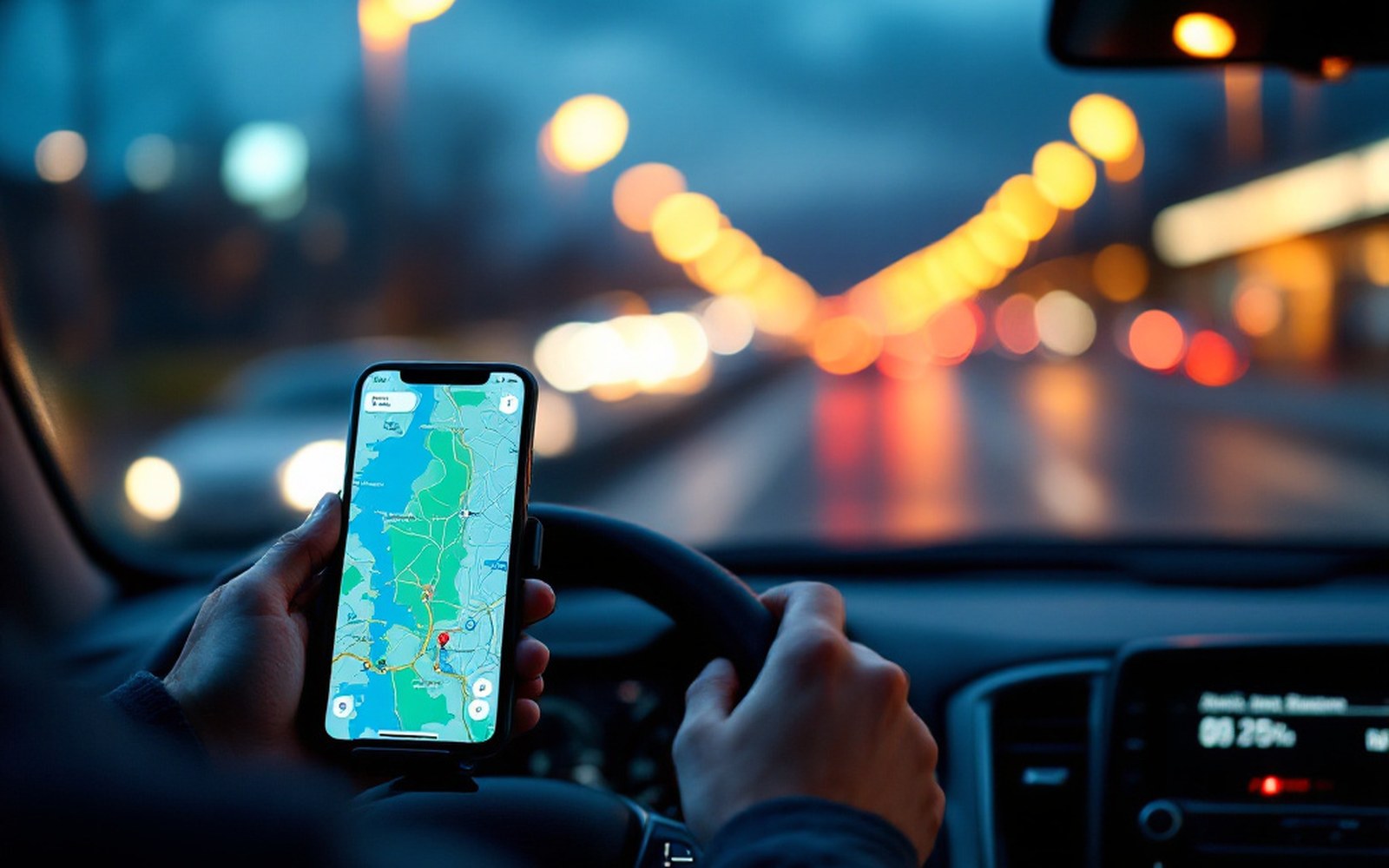
The match is settled before the engine starts. What the platform sold was not routing but recognition.
Photograph from the tripda.com picture kitCharging in advance solved reliability and created a refund problem instead.