The second car, and the countries without one
Household car ownership decides how many potential drivers exist before any app is written.
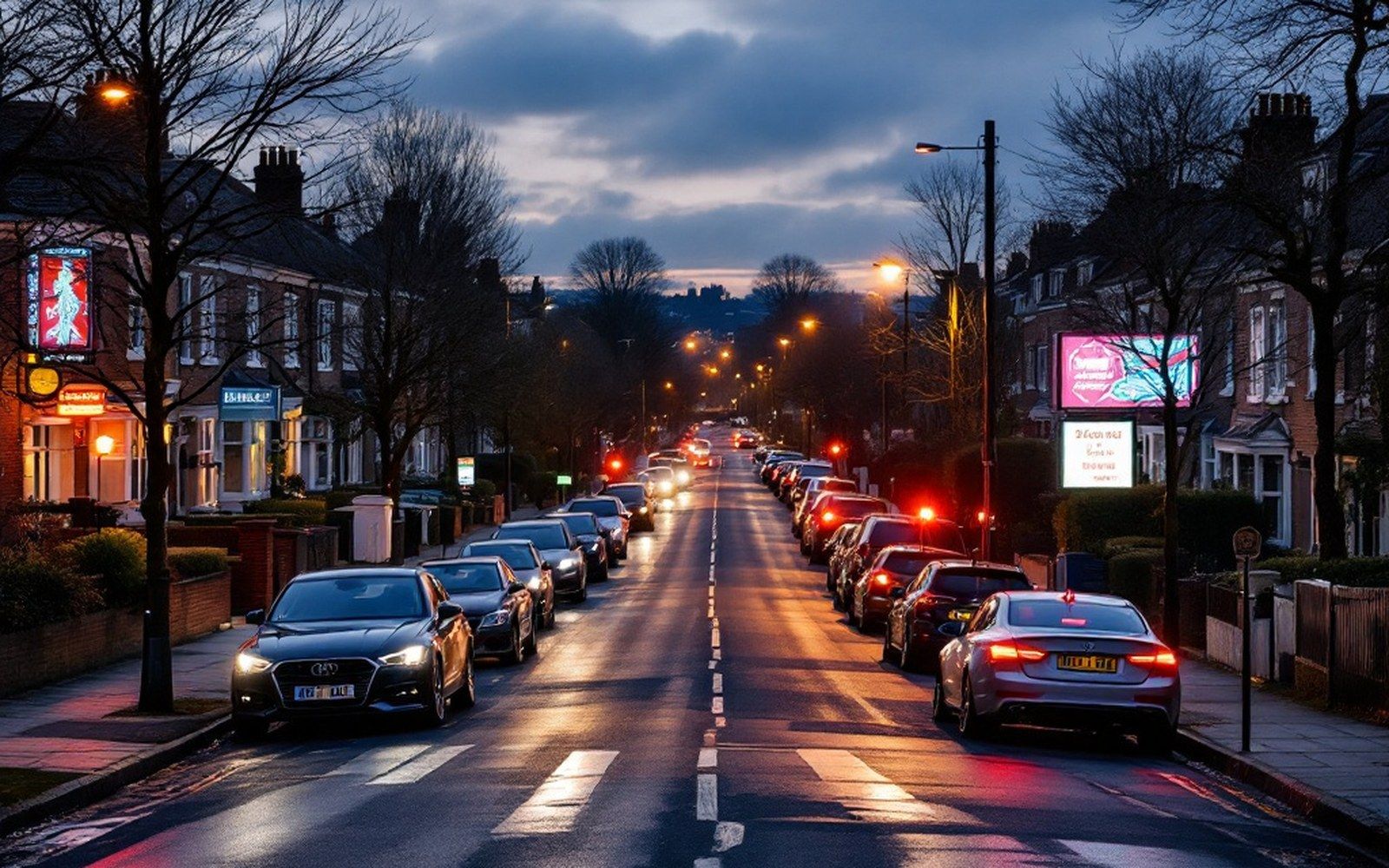
Household ownership decides how many drivers could exist, long before any app is written.
Photograph from the tripda.com picture kitWhere supply actually comes from
A carpooling platform is not a taxi company. It does not own vehicles, employ drivers, or dispatch anyone. Every seat it lists depends on a private individual already owning a car, already planning a trip, and having spare capacity to offer. That dependency means the size of the potential driver pool is set before the first line of code exists — it is fixed by household car ownership rates, and specifically by the prevalence of the second car.
The logic runs simply. A household with one car can, in principle, offer it for an intercity trip. But that requires the remaining household members to go without transport for the duration. The friction is high, and the offer rate reflects it. A household with two cars faces no such trade-off. The driver takes one vehicle; the rest of the household keeps the other. This is the structural reason why two-car households produce a disproportionate share of carpooling supply, and why average occupancy on long-distance journeys hovers close to one and a half people even in car-heavy societies — the empty seats are there, but liberating them depends on a kind of domestic slack that the second car provides.
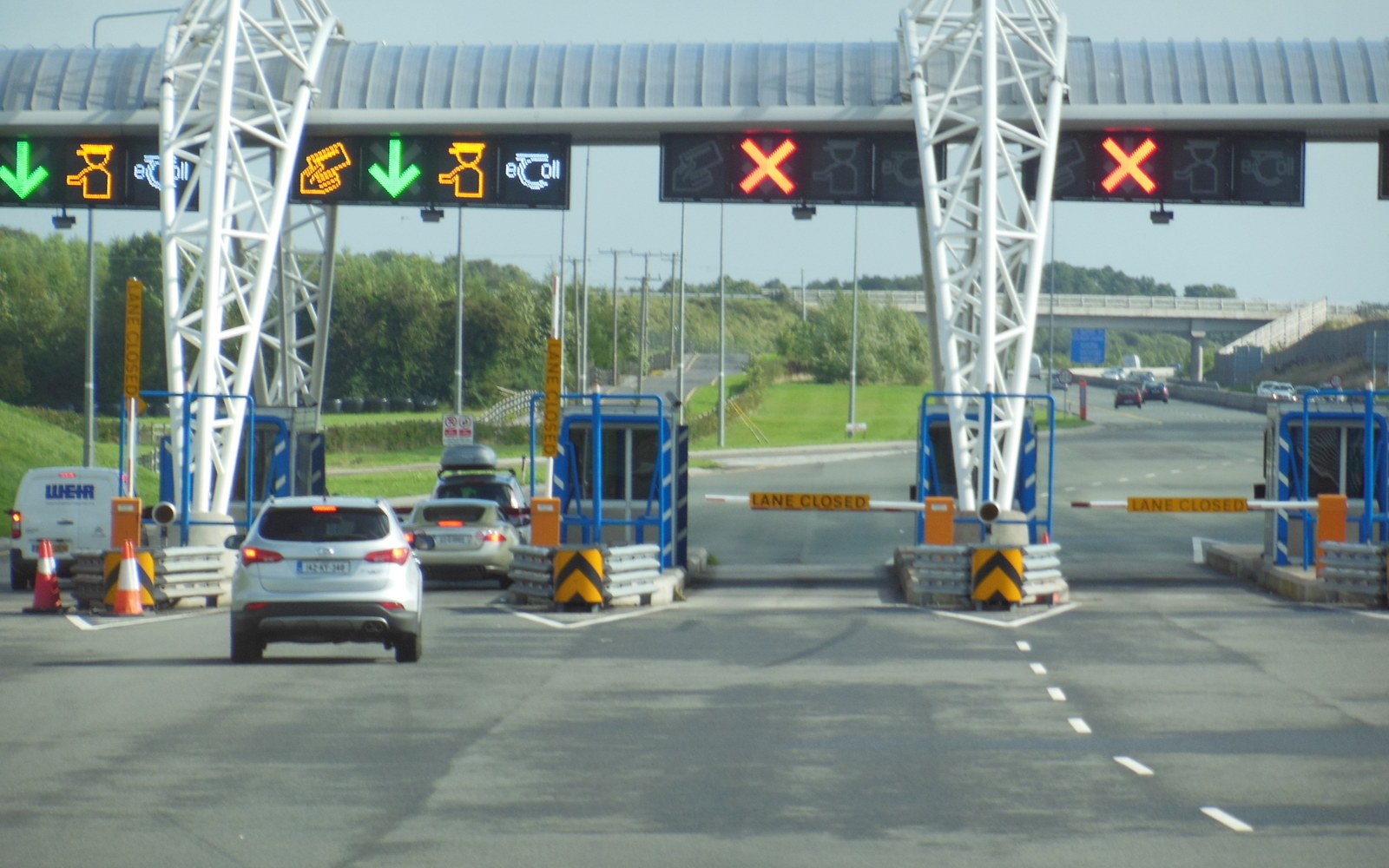
Tolls are one of the two costs a cost-sharing price may recover. The other is fuel. Nothing else counts.
Photograph: Toll Plaza on the M7 · Wikimedia CommonsCar ownership as geography
The second car is not evenly distributed. In Germany and France — the two European markets where intercity carpooling reached meaningful scale — household motorisation rates are high enough that multi-car ownership is common in suburban and rural areas. Germany registered roughly 550 cars per thousand inhabitants during the period when carpooling platforms were growing, and France was not far behind. Both countries also had the corridor geography that platforms require: a set of city-pairs with enough travel demand to produce daily liquidity, but without such dense rail coverage that the car seat couldn't compete on price.
Brazil, by contrast, presented a different arithmetic. Rocket Internet launched Tripda there in 2014 partly because Brazil's intercity bus network already carried enormous volumes and partly because the country's car ownership rate, while growing, remained far lower than Western Europe's, and was sharply concentrated by income. The supply-side constraint was not only fewer cars but fewer second cars — meaning that potential drivers faced real substitution costs every time they listed a seat. This is a structural headwind that marketing cannot solve and that unit economics will not cure.
The asymmetry this creates
Platforms that launched in lower-ownership markets discovered an asymmetry the business model cannot easily absorb. Demand for cheap intercity seats can exist independently of car ownership; anyone without a car is a potential passenger. But supply requires the driver. Where the driver pool is thin — because ownership is low, or because single-car households dominate — the matching problem becomes acute. The density problem that afflicts every corridor also applies across markets: a country with half the car ownership rate of Germany does not simply produce half the carpooling supply; it produces a supply that is also more constrained in time and route flexibility, because fewer households can absorb the cost of a trip without their only vehicle.
This is why the relevant question for any market-entry decision was not "do people travel between cities?" — they do everywhere — but "how many households own more than one car, and on which corridors do they regularly make the journey?" Ownership rates are published, road networks are mapped, and travel-demand surveys exist. The ceiling on driver supply was calculable before a single driver signed up. That the ceiling was not always treated as binding is a separate matter; that it was always real is not in dispute.
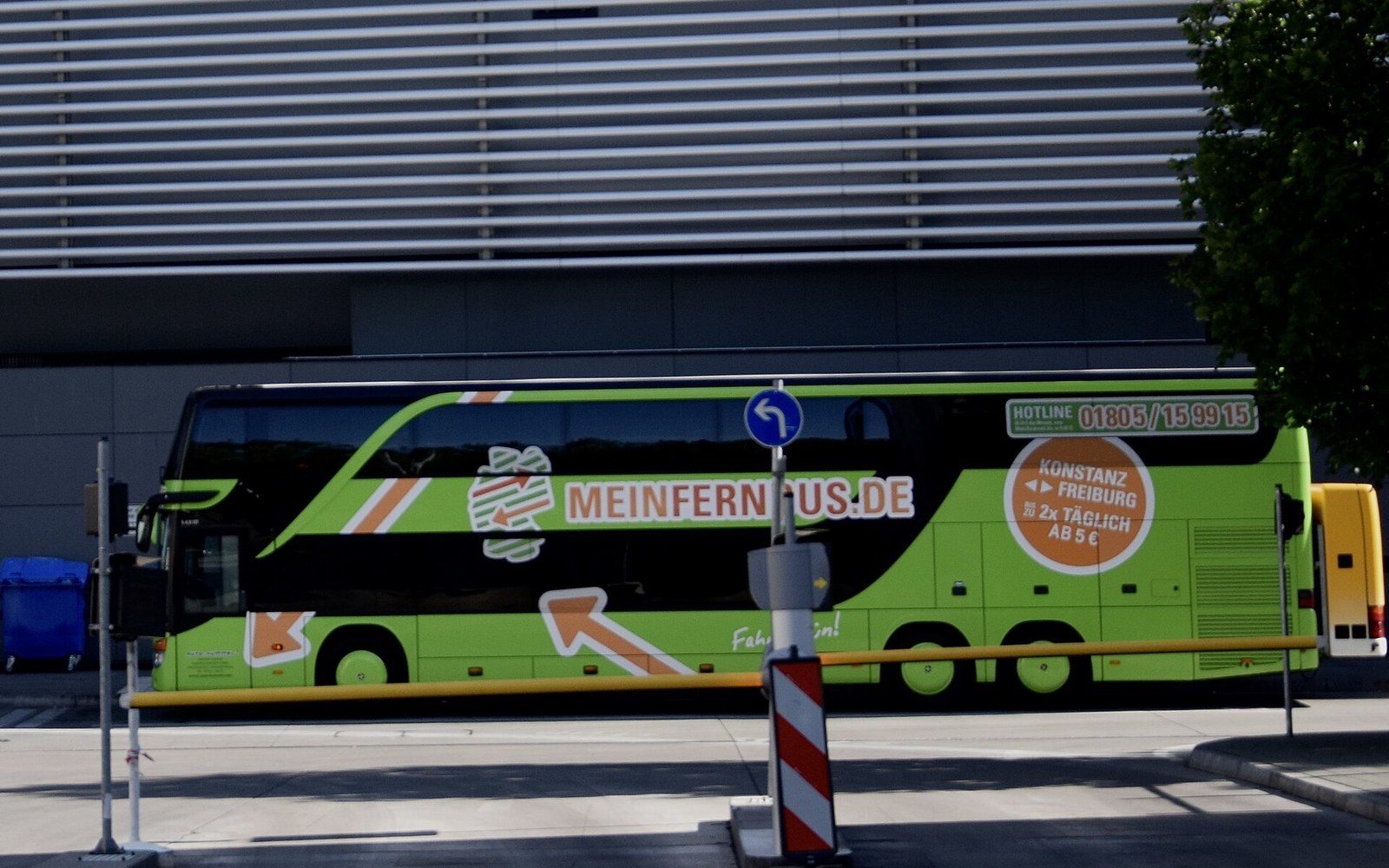
The competitor the law had excluded since 1961, in service on a corridor the carpool assumed it owned.
Photograph: Setra S 431 DT intercity coach, Munich central bus station · Wikimedia CommonsHousehold car ownership decides how many potential drivers exist before any app is written.